


 Send Inquiry
Low Headroom Hoist
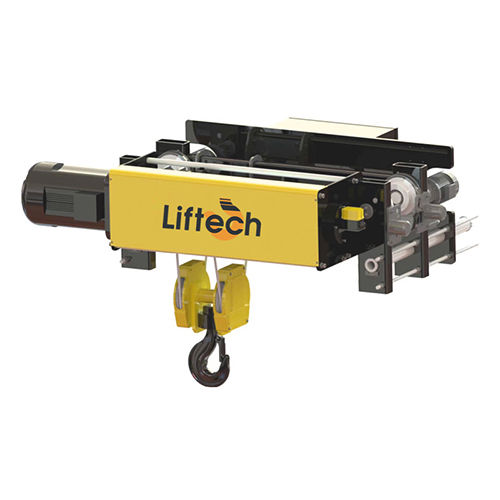
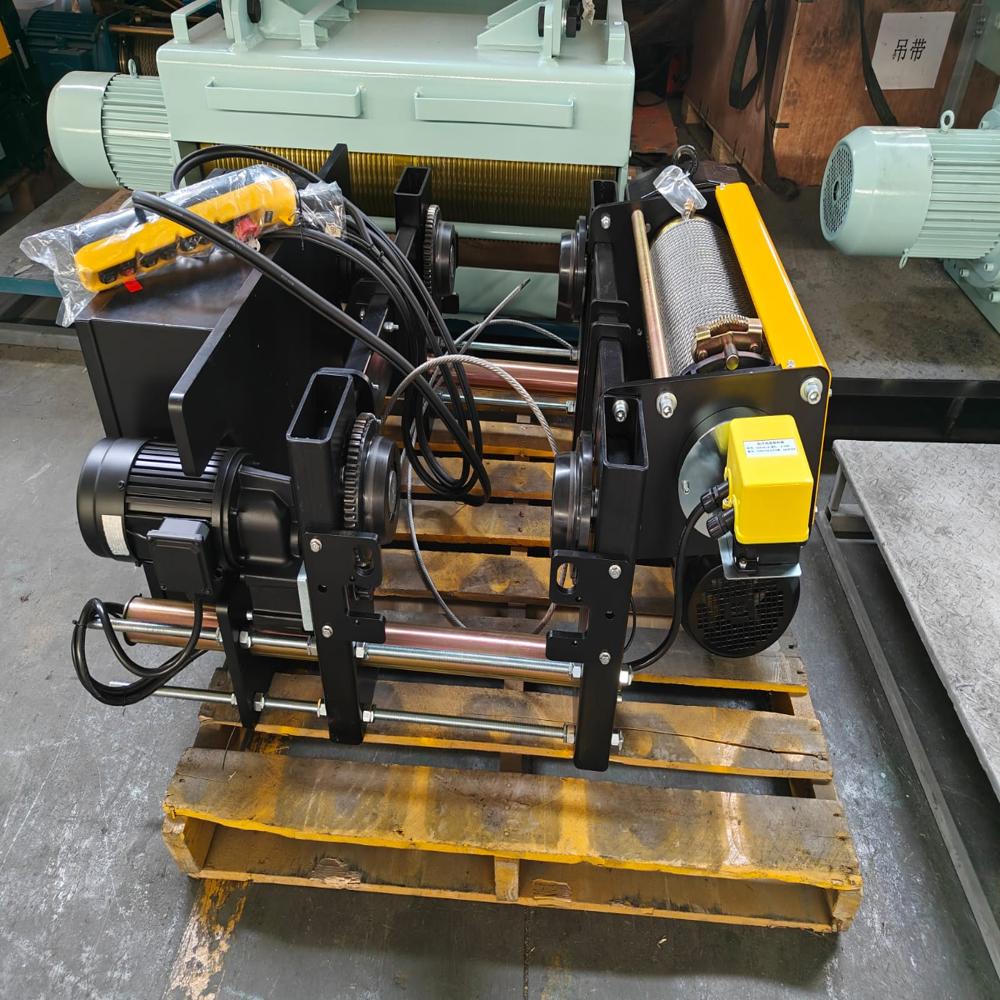
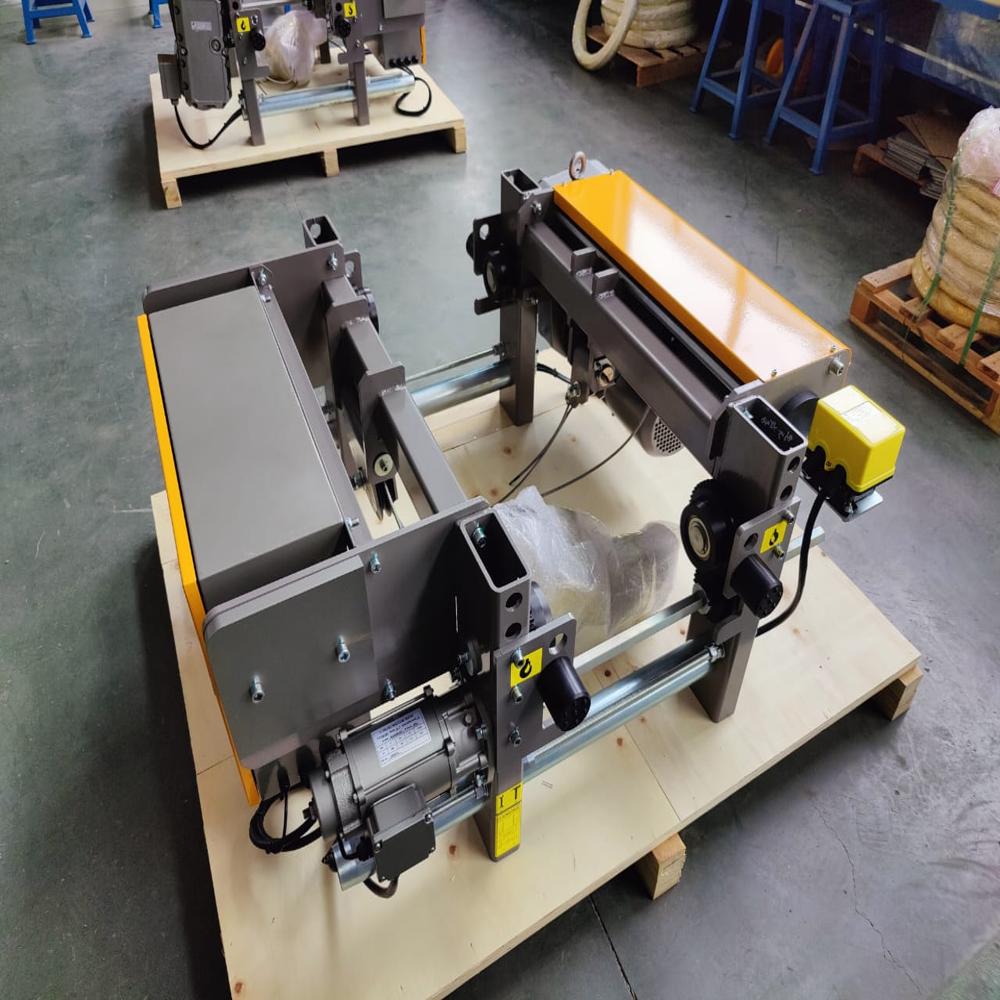
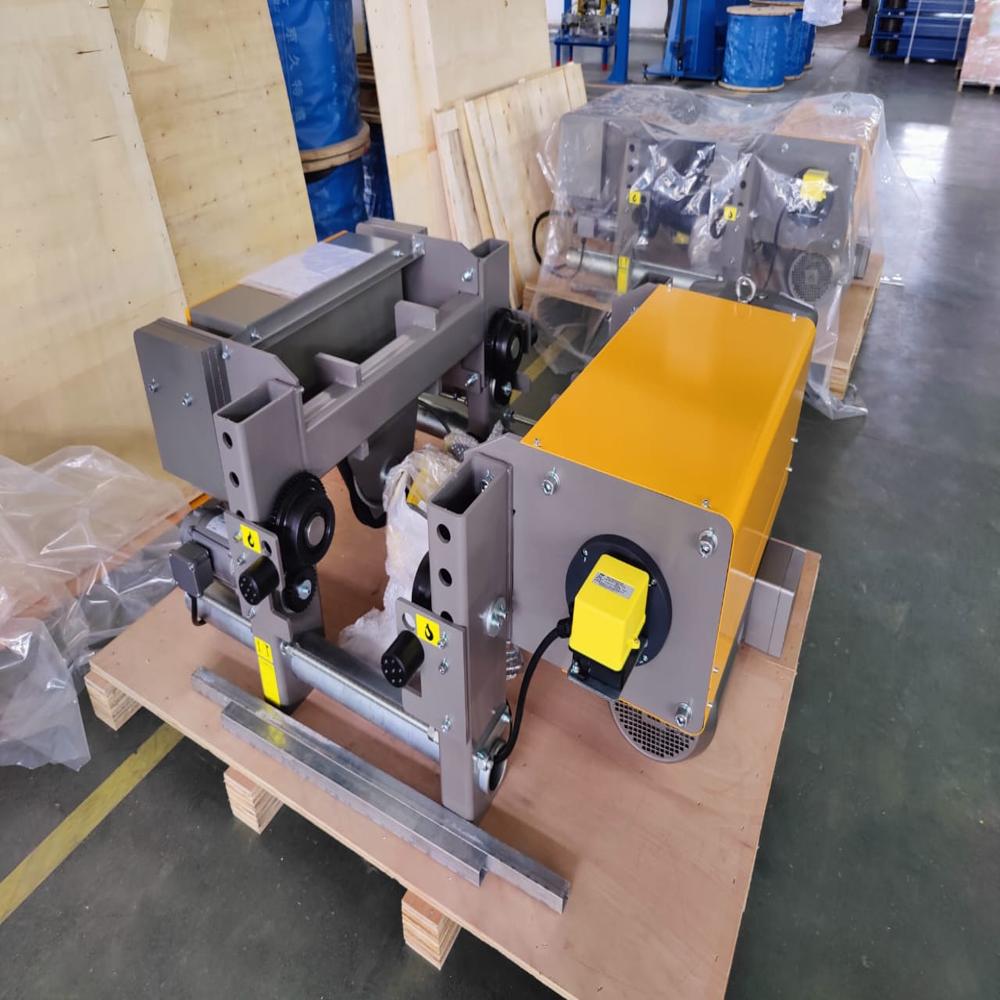
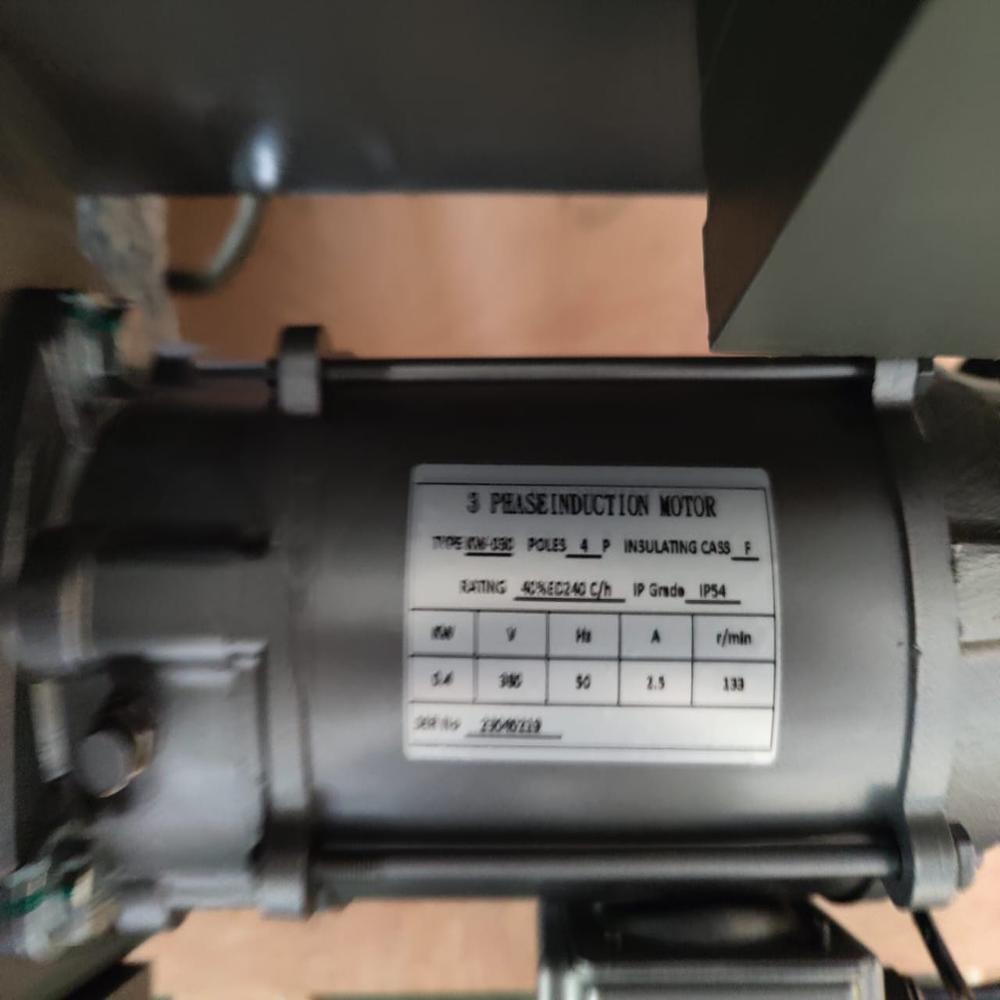

Low Headroom Hoist Specification
- Frequency
- 50 Hertz (HZ)
- Surface Finish
- powder coated
- Lifting Speed
- 4 mm/m
- Hook
- C hook with safety latch
- Usage
- Industrial
- Power Source
- Electric
- Size
- Different
- Sling Type
- Wire Rope
- Maximum Lifting Weight
- 50 Metric Ton
- Height
- 300 Millimeter (mm)
- Product Type
- Industrial
- Maximum Lifting Height
- 50 Meter (m)
- Weight
- 550 Kilograms (kg)
- Lift Speed
- 8 mm/m
- Color
- Black, Yellow
- Power
- 230 Ampere (amp)
- Length
- 550 Millimeter (mm)
- Voltage
- 415 Ampere (amp)
- Width
- 600 Millimeter (mm)
- Rotating Speed
- 20 mm/m
- Insulation Grade
- Premium
- Trolley
- Motorized
- Capacity
- 50 Ton
Low Headroom Hoist Trade Information
- Minimum Order Quantity
- 1 Number
- FOB Port
- Ex-pune
- Payment Terms
- Cash in Advance (CID)
- Supply Ability
- 10 Per Month
- Delivery Time
- 1 Days
- Sample Available
- No
- Sample Policy
- Contact us for information regarding our sample policy
- Packaging Details
- Bubble Wrapping
- Main Export Market(s)
- Asia
- Main Domestic Market
- All India
- Certifications
- CE Certificate
Tell us about your requirement

Price:
Quantity
Select Unit
- 50
- 100
- 200
- 250
- 500
- 1000+
Additional detail
Mobile number
Email

More Products in Electric Wire Rope Hoist Category
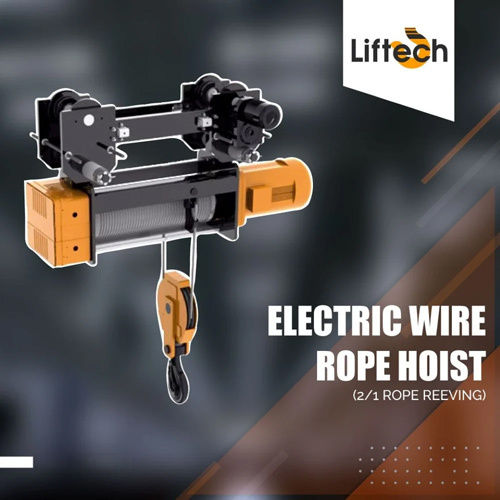
Wire Rope Hoists
Price 100000.0 INR / Number
Minimum Order Quantity : 1 Piece
Usage : Industrial
Product Type : Rope Hoists
Color : Black and Yellow
Voltage : 415 Volt (v)
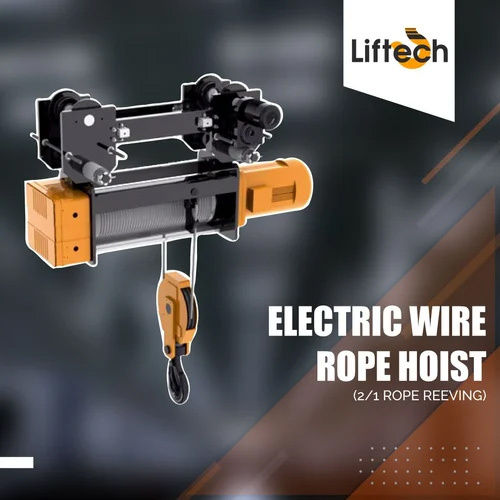
Electric Wire Rope Hoist
Price 110000.0 INR / Unit
Minimum Order Quantity : 1 Unit
Usage : Industrial
Product Type : Wire Rope Hoist
Color : Black and Orange
Voltage : 415 Volt (v)

LIFTECH EQUIPMENTS INDIA
All Rights Reserved.(Terms of Use)
Developed and Managed by Infocom Network Private Limited.
Developed and Managed by Infocom Network Private Limited.

